The hidden winter perks of a solar carport
We’ve just experienced the first real "bite" of winter. While most associate solar energy with the high-intensity sun of July, a solar carport is a sophisticated energy asset that proves its worth even when the mercury drops

Beyond the obvious luxury of a snow-free windshield, our engineering utilizes specific thermodynamic principles to keep your vehicle and your energy production optimized.
Here are three scientific reasons why a solar carport is a winter powerhouse
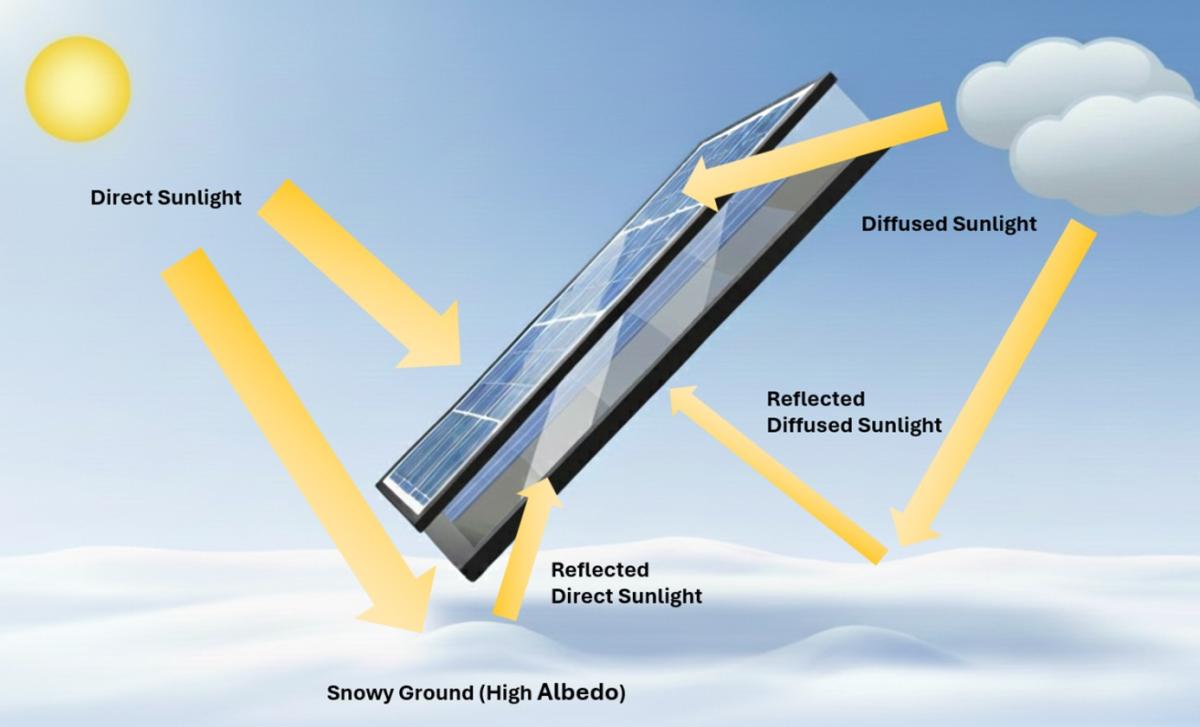
The Albedo Effect - maximum yield via bifacial architecture
In many traditional installations, solar panels are mounted on top of a grey roof, which blocks light from reaching the back of the modules. Our system is engineered so the solar panels are the roof. By eliminating the "double roof" and using a watertight integrated design, we unlock the full potential of Bifacial (Glass-Glass) Modules.
-
Key feature: Bifacial capture. Because there is no dark sub-structure, the panels can harvest light from both sides.
-
The science: On a snowy day, the white ground acts as a giant mirror, reflecting up to 90% of sunlight upward. This Albedo Effect allows the underside of the panels to generate power even on overcast days, often outperforming standard roof-mounted systems in winter conditions.
The Battery Microclimate - Optimizing charging speeds in the cold
Cold temperatures are the natural enemy of Electric Vehicle (EV) battery efficiency. When a car is left in an open driveway, it suffers from two types of heat loss: Radiative (heat escaping to the dark sky) and Convective (heat stripped away by wind).
-
Key feature: Thermal shielding. The carport acts as a physical barrier that breaks the wind flow and reduces the "wind chill" effect on the vehicle’s chassis.
-
The science: By reducing convective cooling, the carport helps the battery retain residual heat from its last drive. Keeping the battery just a few degrees warmer is critical; it allows the vehicle to spend less energy on "self-heating" and more on high-speed charging, getting you back on the road faster.
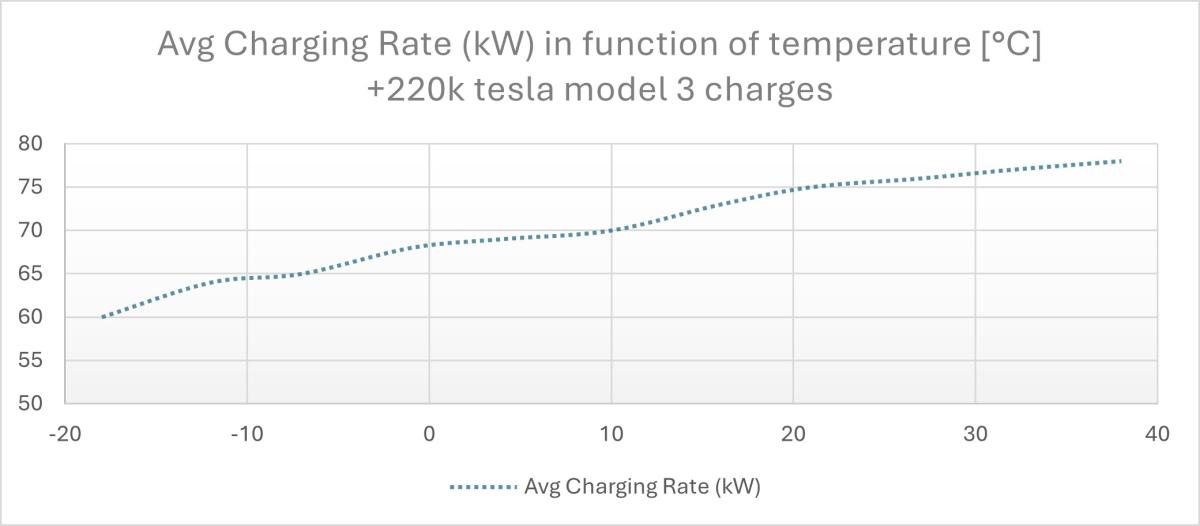
Data achieved from:
Case, S. (2024). Study: EV Charging Speeds in Cold Temperatures. [online] Recurrent Auto. Available on: https://www.recurrentauto.com/research/study-ev-charging-speeds-in-cold-temperatures [ from [08/01/2026]].
The Solar Self-Thaw - Automated maintenance via thermal physics
It is a common myth that solar panels remain buried under snow all winter. In reality, solar cells are designed to absorb radiation, which generates a small amount of internal heat as soon as the sun rises.
-
Key feature: Passive snow shedding. Our carports are engineered with an optimal pitch to work in harmony with the panels' thermal properties.
-
The science: As the cells begin producing even a tiny amount of electricity, their internal temperature rises. This creates a thin lubrication layer of meltwater between the glass and the snow. Thanks to the tilted design, gravity does the rest—causing snow to slide off naturally and returning the system to peak production hours before a standard roof would clear.

🚀 Conclusion: The future of winter energy
A solar carport isn't just a shelter; it’s a high-performance energy hub that works with the elements, not just against them. By choosing an integrated roof system, you ensure that every snowflake on the ground is working to help power your home.
Follow us on LinkedIn https://www.linkedin.com/company/105216840/ to stay updated on the latest innovations in solar structures and sustainable infrastructure.